
The Timeless Appeal of Irezumi
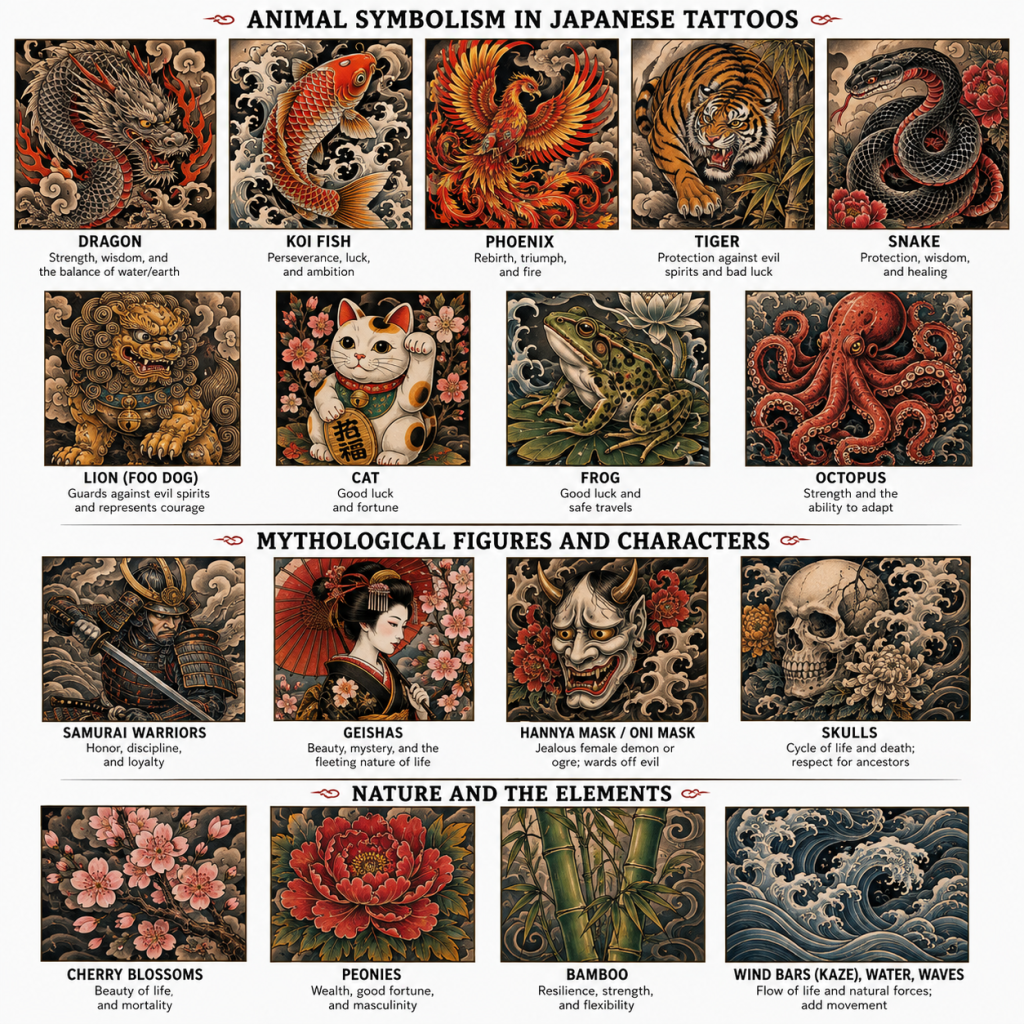
Japanese tattooing is unique because the designs are used for storytelling. It’s an essential part of Japanese culture and has gained popularity all over the world.
Because the first modern tattoo machine wasn’t created until 1891, the famous Japanese tattoo style we know today started out with the Tabori, or “hand tattooing” method. The artist would have a long bamboo needle bar with a metal needle grouping attached to the end. They would use this tool to puncture the skin, one mark at a time. (For reference, a modern tattoo machine punctures the skin about a hundred times per second.)
Because hand tattooing takes so long, it causes the tattoo to be more painful. Clients endured this pain as a way of “earning” their tattoo. While it’s rare, there are some artists who still use this traditional method and clients who prefer hand tattooing.
Irezumi, or the decoration of the body with mythical imagery and symbolism, started around 5,000 B.C. with tattoo-like images on clay figurines showing the earliest versions of irezumi. Japanese records discussing tattoos can be dated back to 300 A.D.
Facebook
Twitter
Pinterest
Traditional Japanese
Tattoo Meanings
The symbols and motifs used in Japanese tattoos are inspired by Japanese mythology, folklore, and art. Common themes include protection, bravery, and good luck. Because traditional Japanese tattoos are meant to tell a story and convey deeper themes, they are usually very large. Sleeves, full-back tattoos, and even bodysuits are “normal” sizes for Japanese tattoos. This style of Japanese art can use several different images or symbols. Each symbol within an overall design has a specific meaning, and knowing these meanings is crucial for creating culturally significant tattoo designs.
Animal Symbolism in Japanese Tattoos


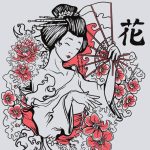
| Animal | Meaning |
|---|---|
| Dragon | Strength, wisdom, and the balance of water/earth |
| Koi Fish | Perseverance, luck, and ambition |
| Phoenix | Rebirth, triumph, and fire |
| Tiger | Protection against evil spirits and bad luck |
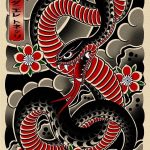
| Snake | Protection, wisdom, and healing |
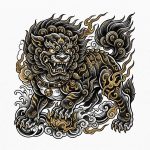
| Lion (Foo Dog) | Guards against evil spirits and represents courage |
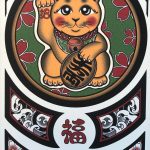
| Cat | Good luck and fortune |
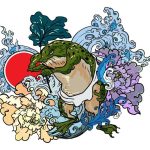
| Frog | Good luck and safe travels |
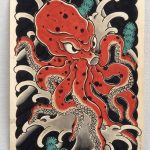
| Octopus | Strength and the ability to adapt |
Mythological Figures and Characters

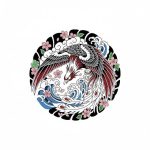
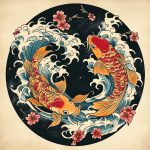
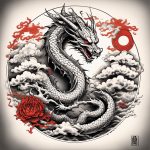
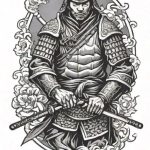
| Figure | Meaning |
|---|---|
| Samurai Warriors | Honor, discipline, and loyalty |
| Geishas | Beauty, mystery, and the fleeting nature of life |
| Hannya Mask / Oni Mask | Jealous female demon or ogre; wards off evil |
| Skulls | Cycle of life and death; respect for ancestors |
Nature and the Elements


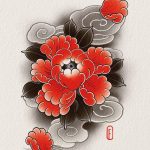

| Element | Meaning |
|---|---|
| Cherry Blossoms | Beauty of life and mortality |
| Peonies | Wealth, good fortune, and masculinity |
| Bamboo | Resilience, strength, and flexibility |
| Wind Bars (Kaze), Water, Waves | Flow of life and natural forces; add movement |
Japanese Tattoo Culture
From Criminalization to Modern Acceptance
Tattoos have a complicated history in Japan, and there were periods of time when the Japanese government deemed tattooing illegal. For many years, tattoos were associated with criminals and were outlawed in Japan until the late 1800s when tattoos started to become more popular among the general population.
The Yakuza Connection and Social Stigma
Today, tattoos are legal in Japan, but there are still some restrictions. For example, many hot springs and public baths prohibit people with tattoos from entering, as tattoos are still associated with criminal organizations, including the Japanese organized crime syndicate. These Yakuza members have tattoos that cover most of their bodies (called “horimono”). To this group, a Yakuza tattoo is seen as a symbol of strength, loyalty, and brotherhood. While tattooing is popular globally, its relation to crime has led to a generally negative perception of tattoos in mainstream Japanese culture.
Facebook
Twitter
Pinterest