What Makes Sak Yant
More Than Just a Tattoo?
Discover the Ancient Tradition of Protective Bamboo Tattoos and Their Deep Spiritual Significance
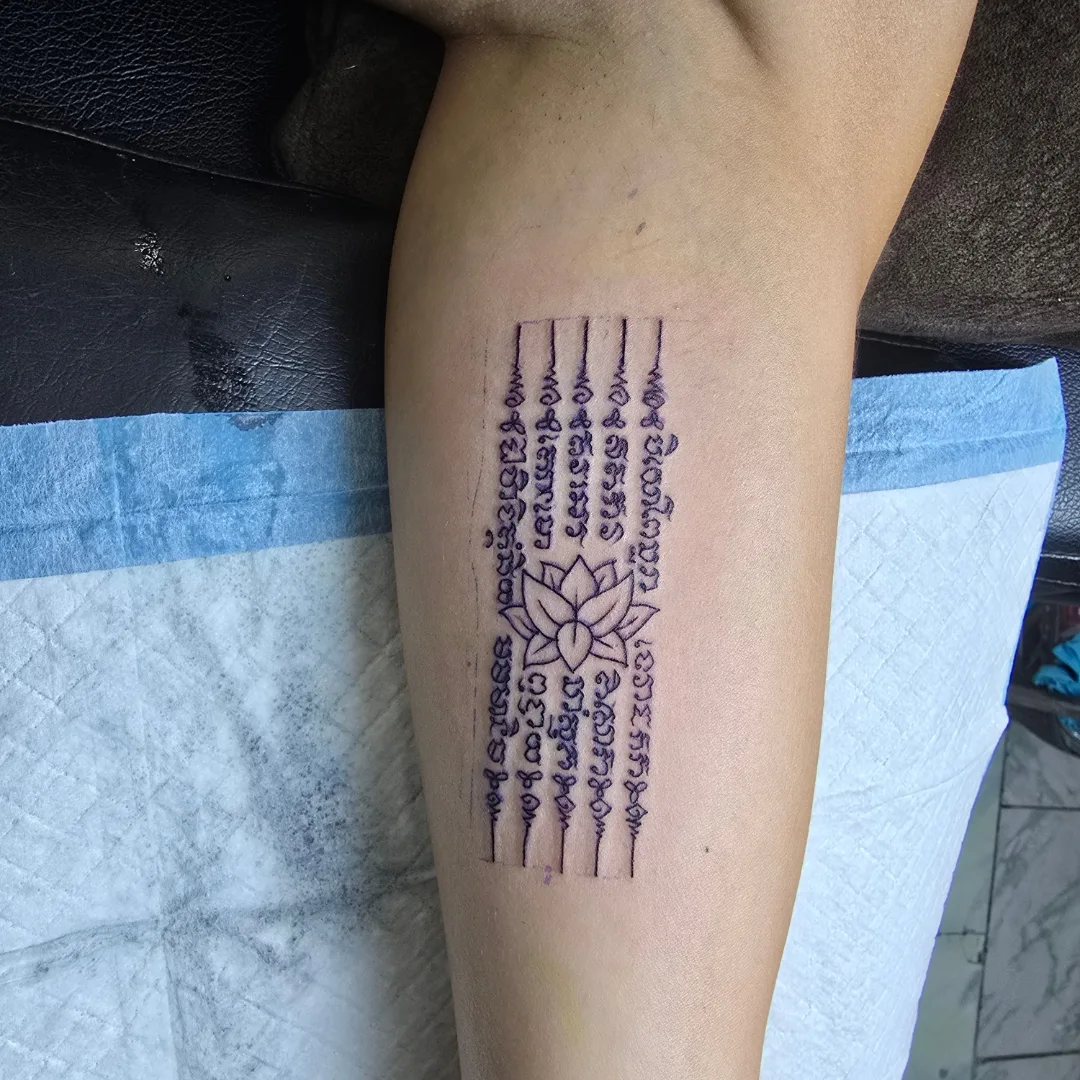
In the heart of Southeast Asia, a centuries-old tradition continues to thriveone that transforms the human body into a canvas of sacred geometry, ancient script, and spiritual protection. Sak Yant is far more than a tattoo, it is a living spiritual practice that weaves together ancient animist beliefs, Buddhist philosophy, and Hindu-Buddhist concepts into a powerful form of body art that has captivated seekers from around the world.
Unlike the decorative tattoos common in Western culture, Sak Yant tattoos are imbued with meaning, purpose, and power. Each design is carefully chosen or created by a master—known as an Ajarn—who performs sacred rituals and chanting to activate the protective energies within the ink. For those who wear them, these tattoos serve as spiritual armor, guiding them through life’s challenges and offering blessings that extend far beyond
Discover Sak Yant At Thai Art
The practice of Sak Yant is believed to have originated in the Khmer Empire (in present-day Cambodia) and then spread to Thailand, Laos, and other parts of Southeast Asia .
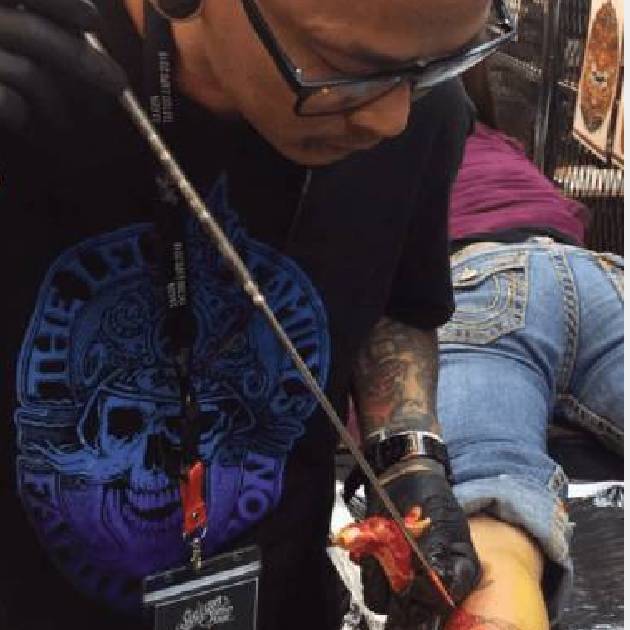
- “Sak” means “to tap” or “to tattoo,” referring to the hand-tapping method used.
- “Yant” is derived from the Sanskrit word “yantra,” meaning a mystical geometric diagram .
Historically, warriors would get these tattoos as armor for protection in battle . Today, they are still sought for protection, but also for luck, strength, charisma, and prosperity in various aspects of longer life, health, safe travel, and even success in business or love. Each design is highly specific; a Sak Yant for invincibility in combat looks different from one for attracting customers to a shop or for ensuring a faithful marriage
The Rules (The Most Important Part)
A Sak Yant is conditional. The magic only works if the recipient follows a set of precepts given by the Ajarn. These usually include:
- No killing (even insects for some strict ones).
- No stealing.
- No lying or deceiving others.
- No sexual misconduct (often meaning adultery).
- Crucially: No eating certain foods (like dog meat, turtle, or water buffalo) and never stepping over a person (as it’s seen as disrespectful).
Break the rules, and the magic leaves you.
The Design & Symbols


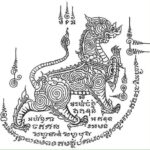
Every Sak Yant is a geometric blueprint of power. Common elements include:
- Geometric lines (Sankha) – form the “framework” that contains the magical energy.
- Circles or dots – often represent the sun, moon, or the eyes of the Buddha.
- Khmer or Pali script – ancient sacred syllables (called kata) that are the actual spell written out.
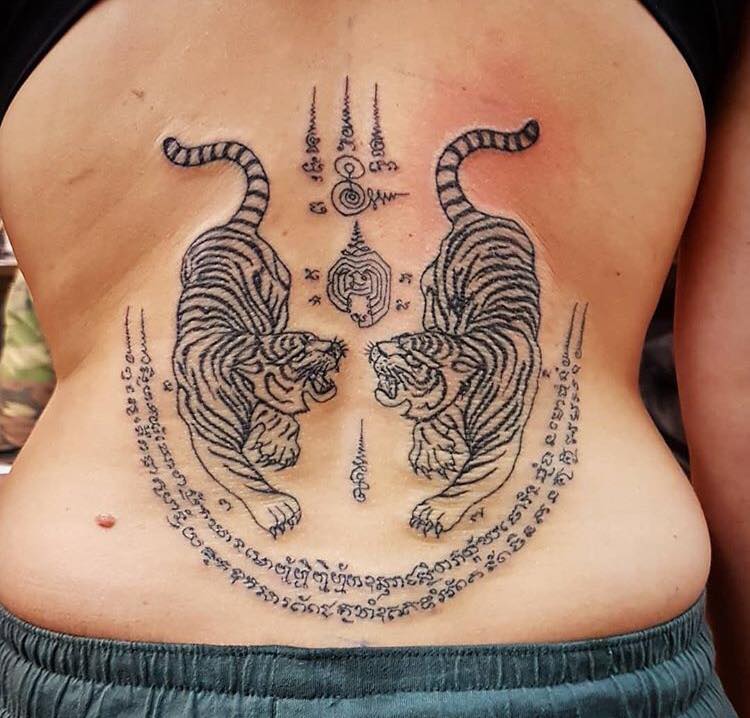
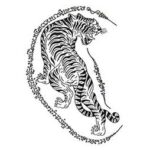
- Animal or deity figures – like tigers (power), crocodiles (fearlessness), Hanuman (speed/agility), or phoenixes (rebirth).
The tattoo itself is just lines on skin until the master (Ajarn) performs the blessing and chanting. During the session:
- The Ajarn enters a meditative trance.
- He chants specific kata (mantras) that “breathe life” into the design.
- The energy is literally tapped into the skin with the bamboo or steel spike.
- Afterward, the Ajarn blows on the tattoo (haak), sealing the magic into the body.
Choose Your Sak Yant
A Design Guide

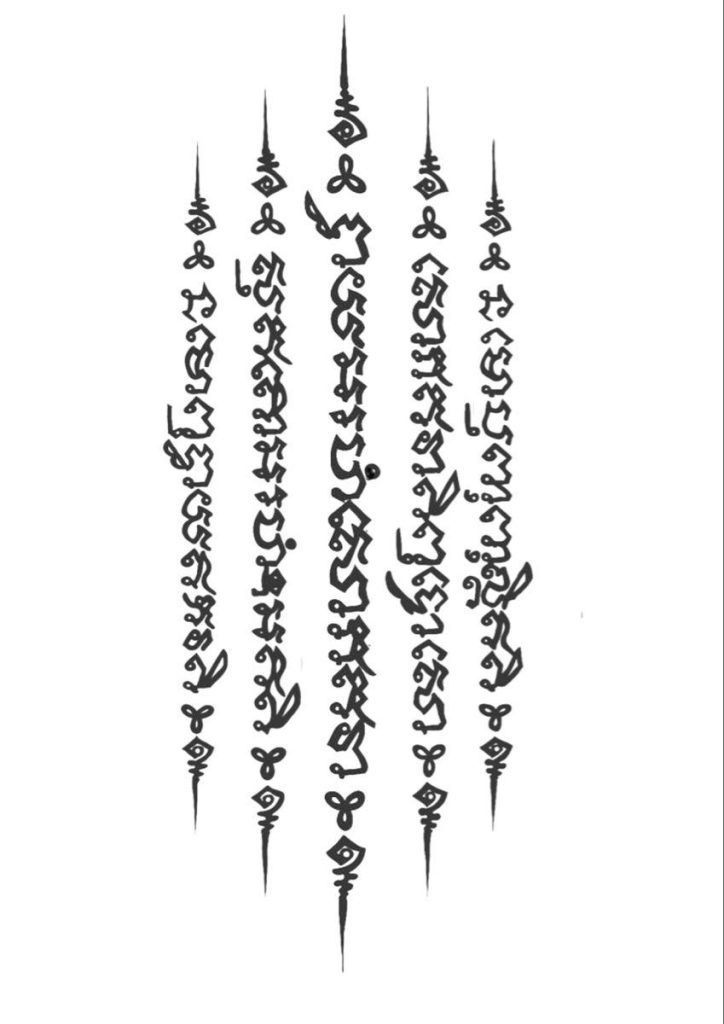
Hah Taew
(Five Lines)
Five sacred lines that bring protection, good fortune, and personal charisma.
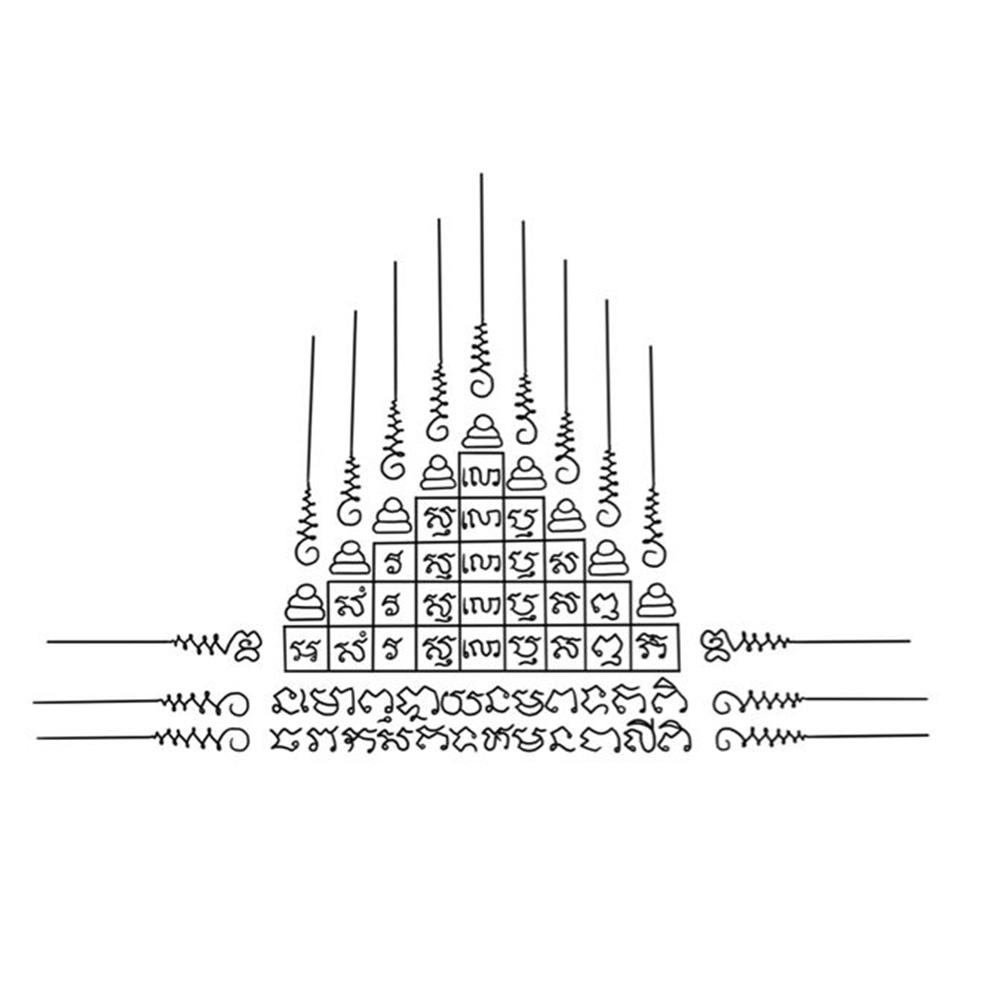
Paed Tidt
(Eight Directions)
Nine sacred peaks that symbolize enlightenment, authority, and spiritual safety.
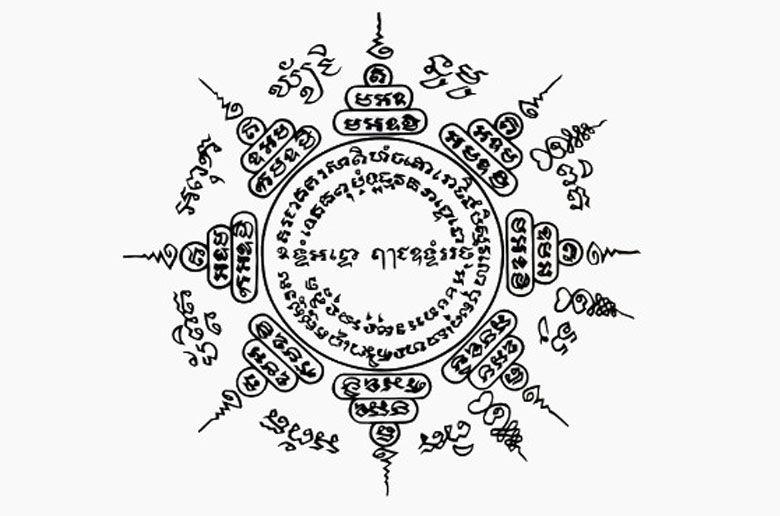
Gao Yord
(Nine Peaks)
Eight sacred directions that protect travelers from danger on every path
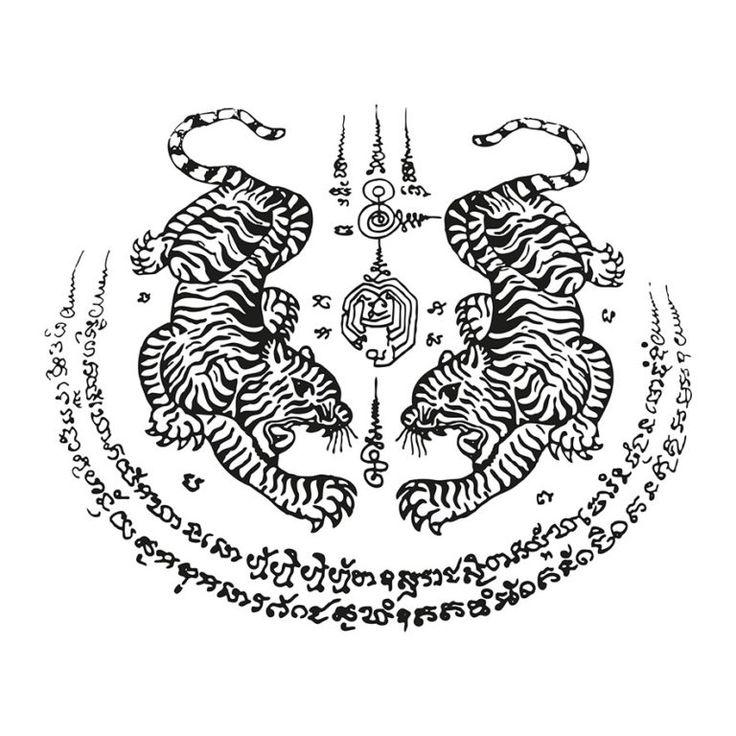
Suea Koo
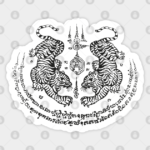
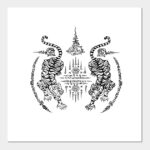
(Twin Tigers)
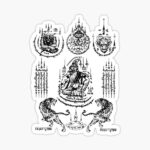
Twin sacred tigers that represent power, courage, and confident leadership.
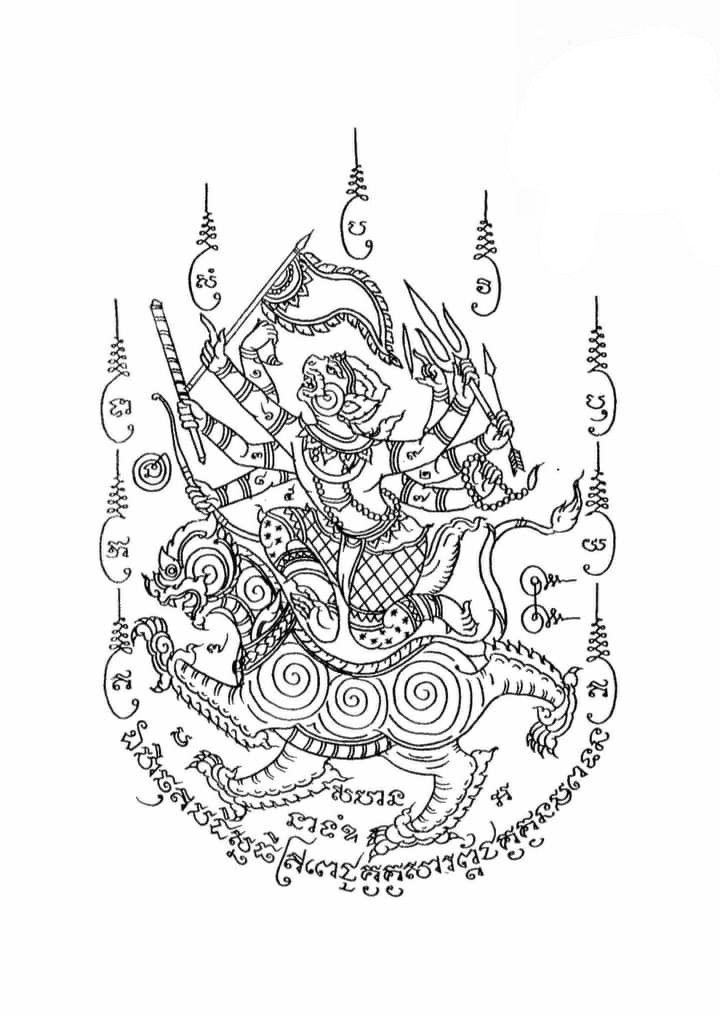
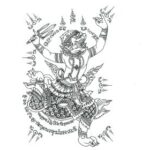
Hanuman
The sacred monkey warrior who grants bravery, devotion, and fearless success
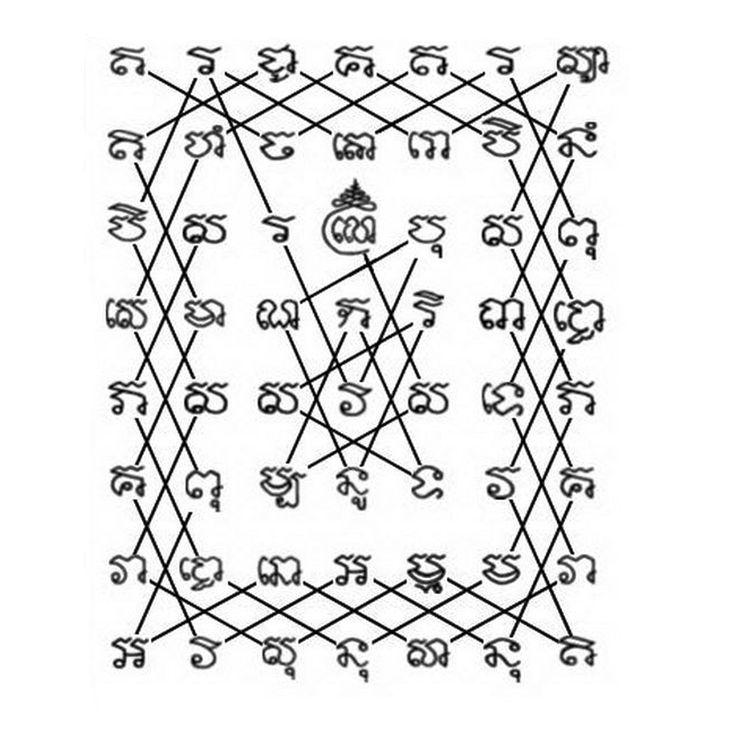
Yant Kroh Petch
(Diamond Armor)
Sacred diamond armor that shields the wearer from harm and dark energy.
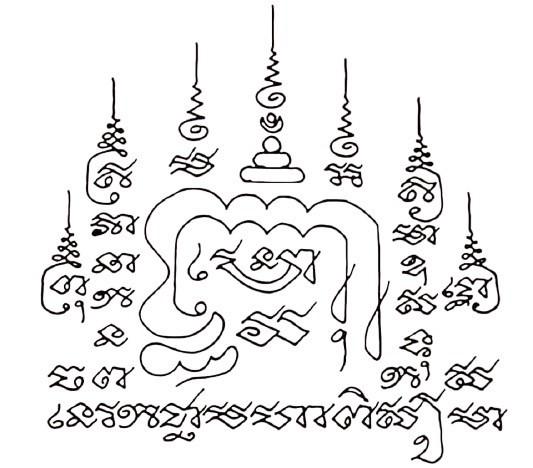
Yant Putsoorn
A sacred Buddha image that promotes peace, wisdom, and spiritual growth.
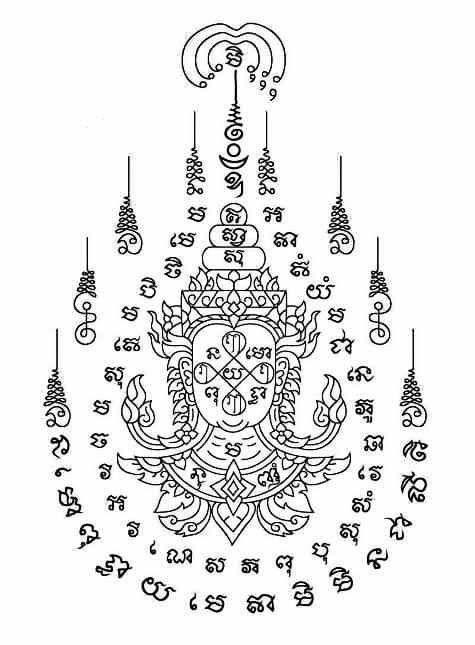
Yant Na
A sacred face that increases
charm, attraction, and social influence daily
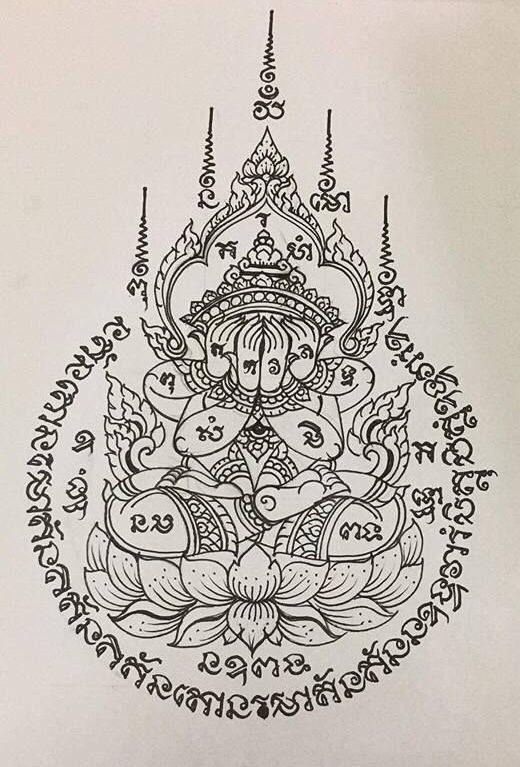
Yant Ongk Phra
The sacred Buddha form that offers
protection, merit, and inner balance.
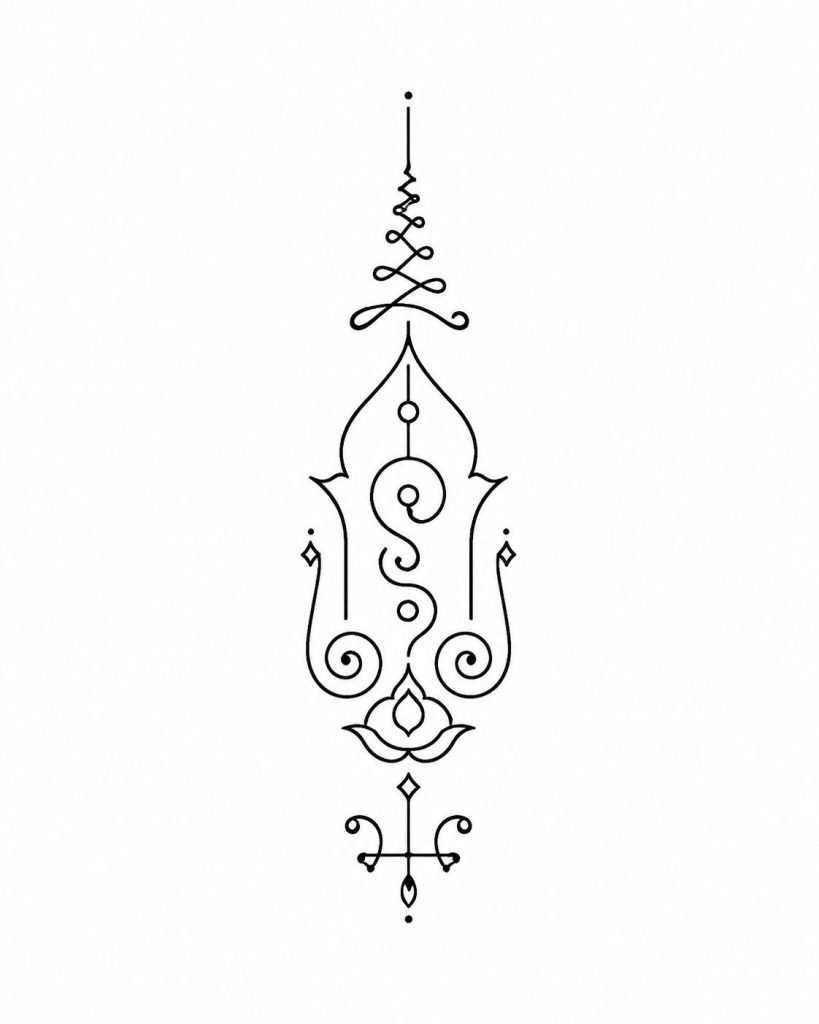
Yant Maha Amnat
Great sacred authority that builds
respect, confidence, and personal command.
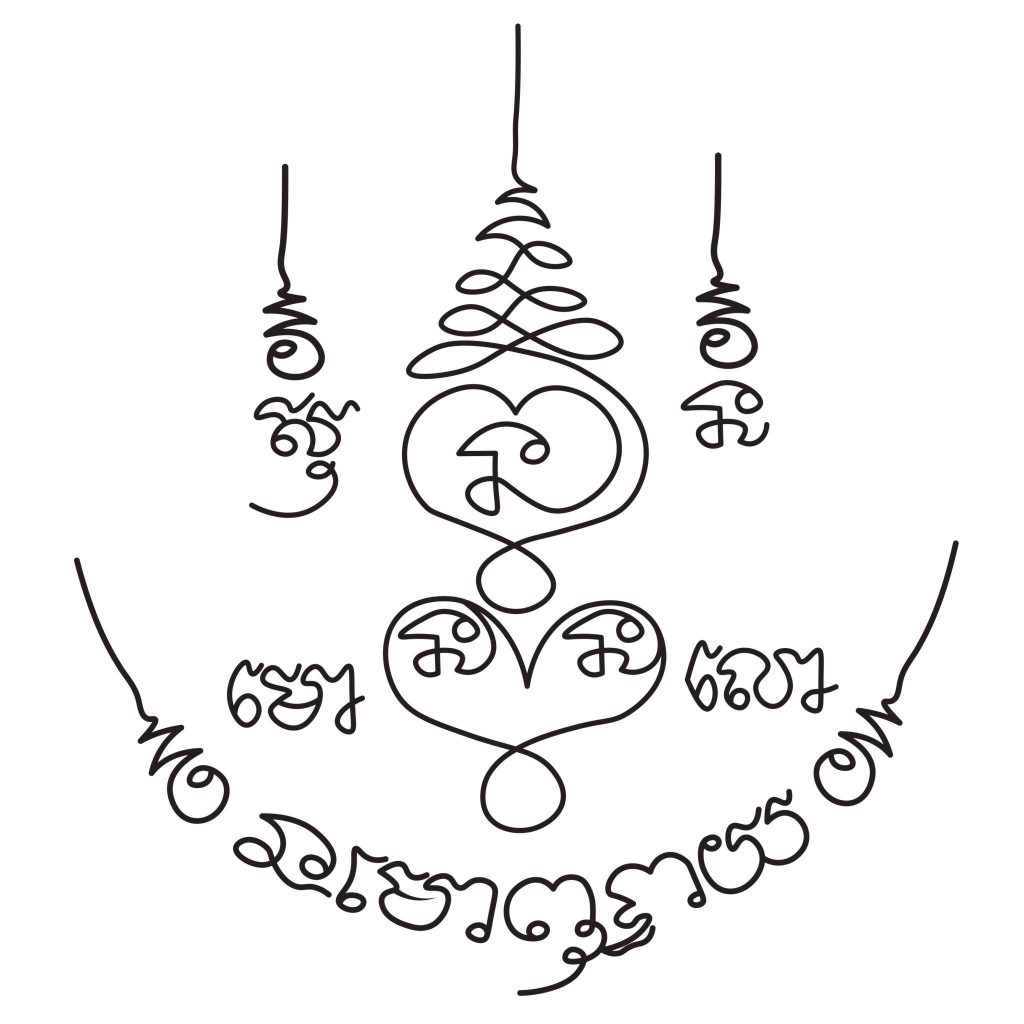
Yant Maha Sanaeh
Great sacred charm that enhances
love, kindness, and lasting popularity.
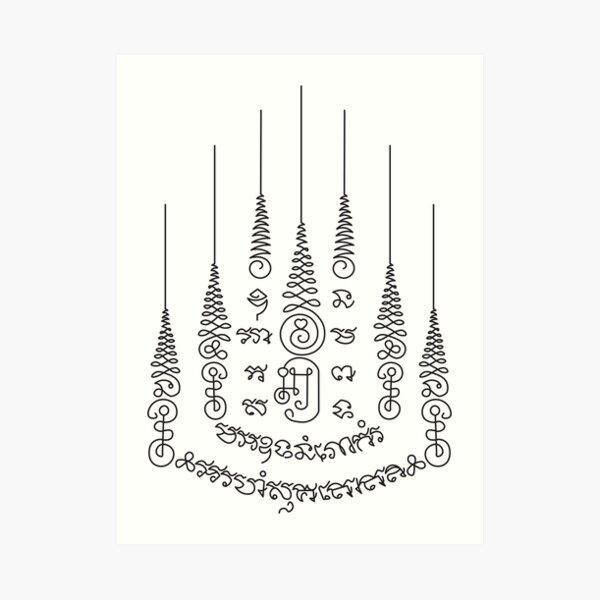
Yant Choke Laap
Sacred fortune and luck that attract
prosperity, opportunity, and success.
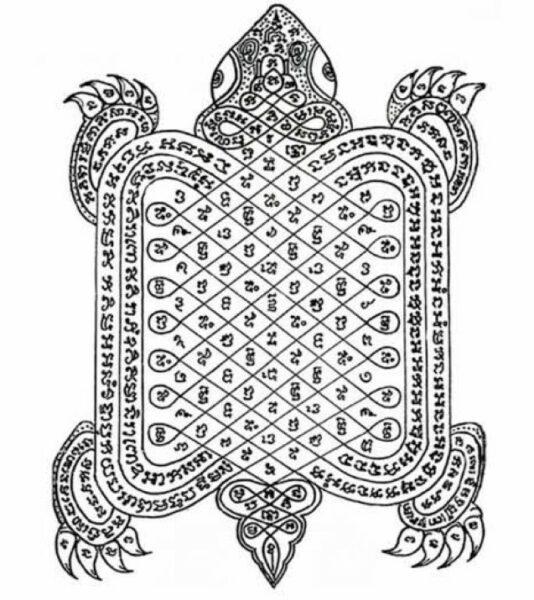
Yant Phaya Tao Ruean
Sacred turtle power that brings
longevity, stability, and steady prosperity
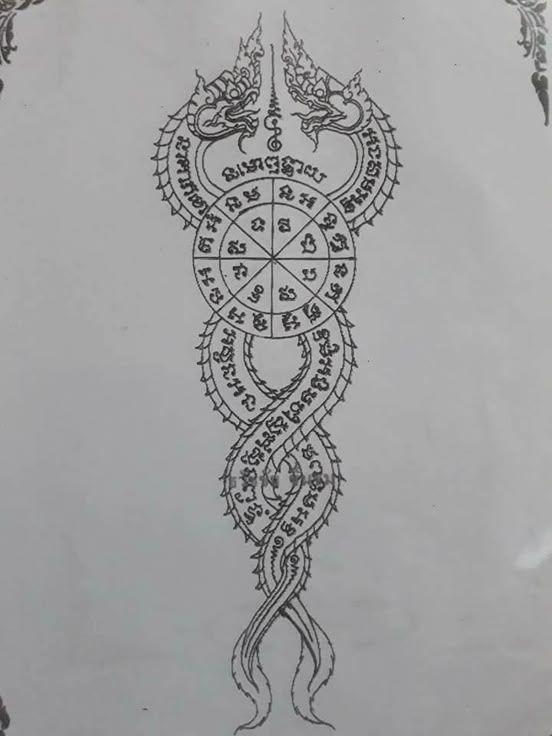
Yant Phaya Naga
Sacred serpent power that grants
protection, wisdom, and spiritual transformation.
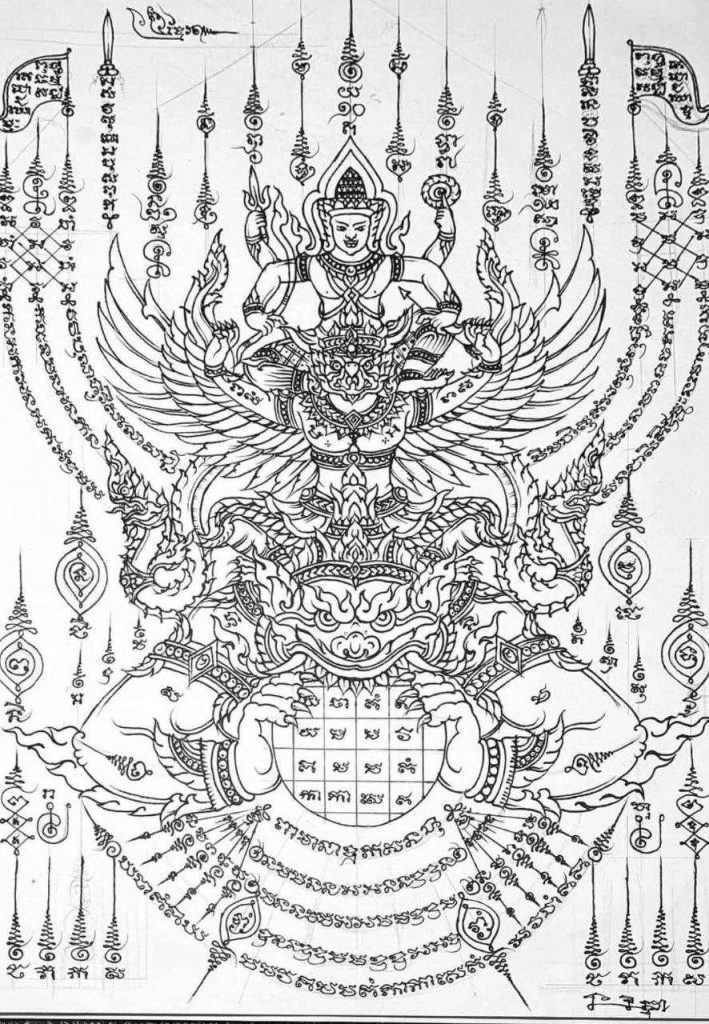
Yant Krut
(Garuda)
Sacred Garuda power that defeats
evil, danger, and hidden enemies swiftly.
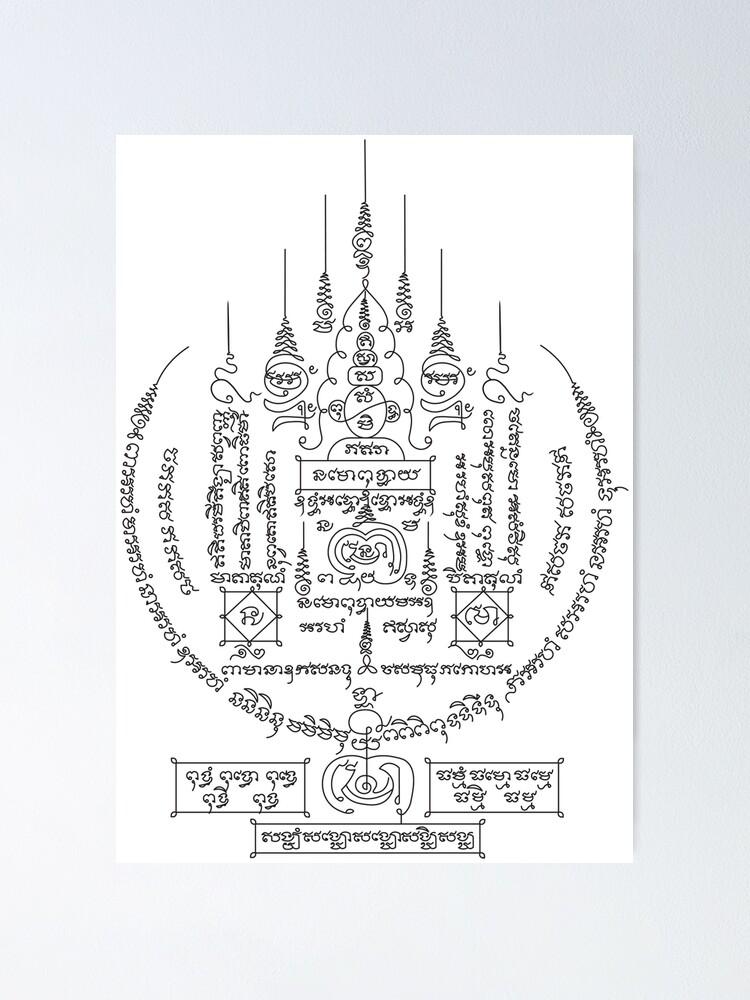
Yant Phra Sivali
Sacred monk blessing that attracts
fortune, abundance, and successful journeys.
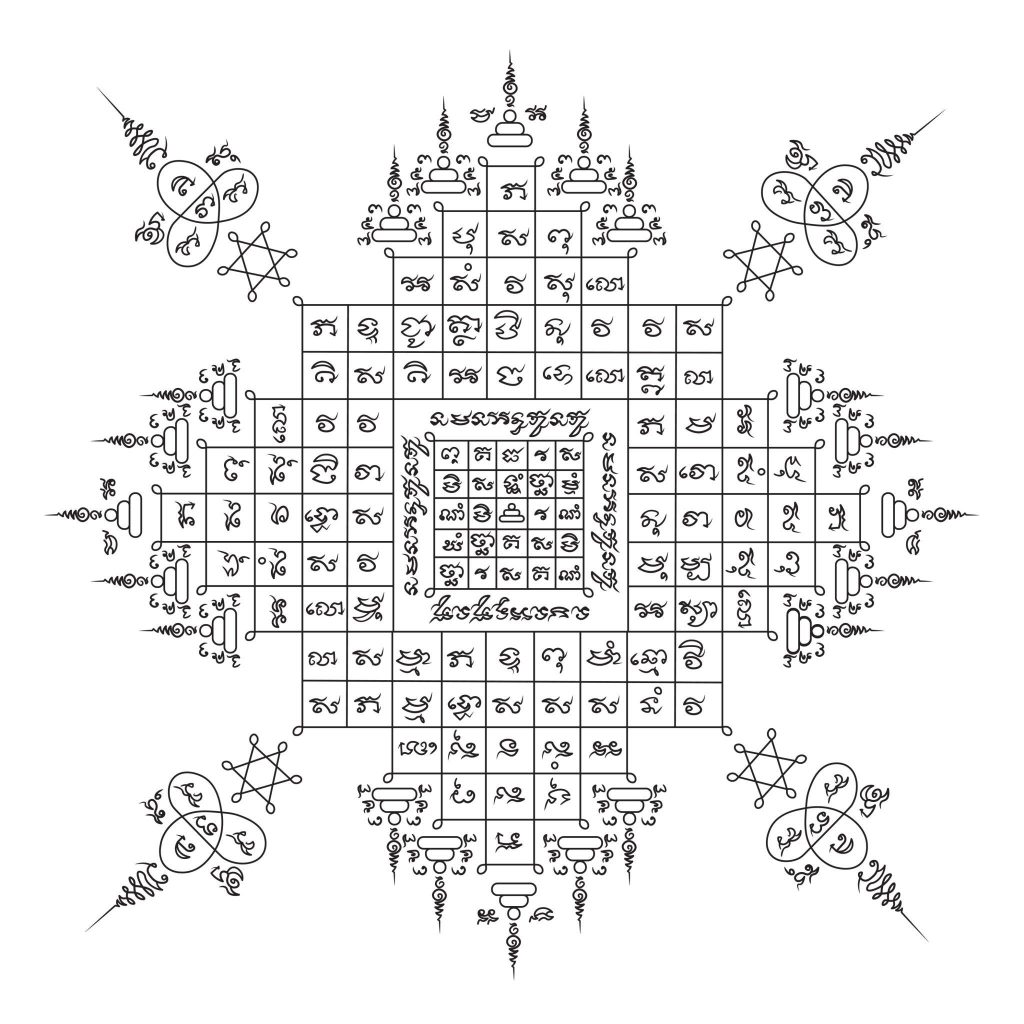
Yant Traiphum
Sacred three worlds that represent
balance, wisdom, and spiritual understanding
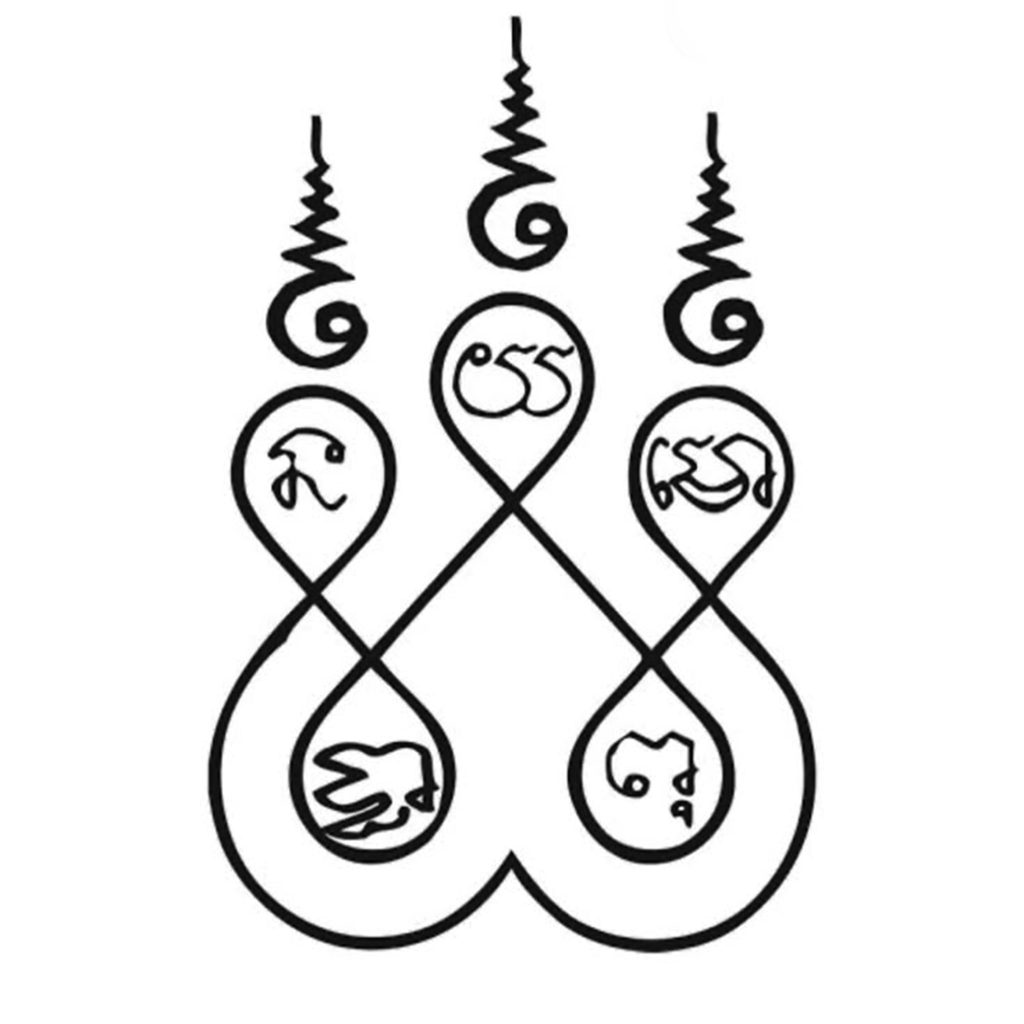
Yant In Koo
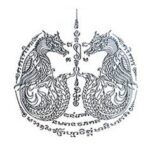
Sacred paired spirits that strengthen
love, harmony, and faithful partnership.
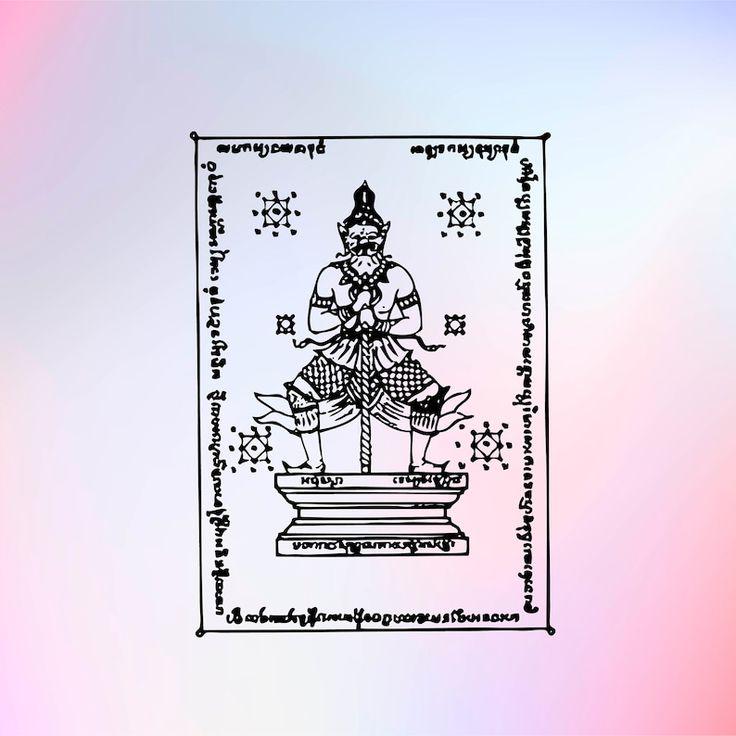
Yant Phra Sivali
Sacred monk blessing that attracts
fortune, abundance, and successful journeys.
CALL +66 82 815 4018 TO MAKE A BOOKING
Sak Yant Cleaning Guide
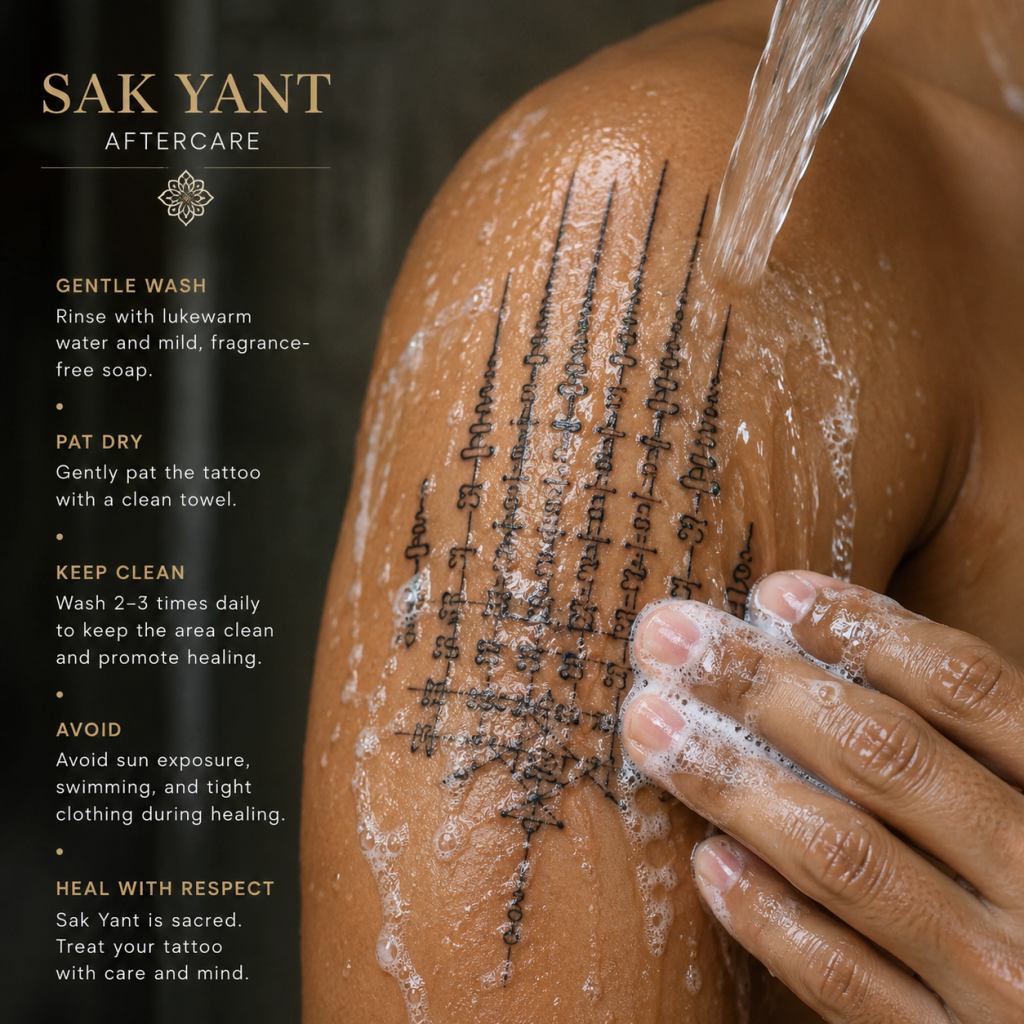
Quick and Simple Aftercare
Daily Cleaning Routine
- Wash your hands thoroughly with soap before touching your new Sak Yant.
- Rinse the tattoo with lukewarm water. Avoid hot water, which can irritate the skin.
- Apply a small amount of mild, unscented antibacterial soap and gently massage it into the tattooed area with your fingertips. Never use a washcloth or sponge as they can harbor bacteria.
- Rinse all soap completely from the tattoo. Soap residue can dry out the skin and cause irritation.
- Pat the area dry with a clean paper towel. Never rub as this can damage the healing skin and pull out ink. Avoid cloth towels because fibers can stick to the wound.
- Apply a thin layer of an unscented, petroleum-free moisturizer or tattoo-specific ointment. A pea-sized amount is usually enough. Coconut oil is a popular natural option widely available in Thailand.
- Repeat this routine two to three times daily for the first two weeks.
What to Use and What to Avoid
- Good options for cleaning include mild antibacterial soap, unscented moisturizer, coconut oil, or tattoo healing ointments.
- Avoid scented soaps, petroleum jelly such as Vaseline, products containing alcohol, and exfoliating scrubs. Petroleum jelly does not let the skin breathe and can pull out ink.
The Golden Rules
- Always wash your hands before touching your tattoo. Pat the area dry with paper towels. Apply only a thin layer of moisturizer. Wear loose, breathable clothing over the tattoo. Keep the area clean and dry at all times.
- Do not soak the tattoo in water. Avoid swimming in pools, oceans, rivers, or hot tubs for at least two to three weeks. Do not take long baths. Showers are fine but do not submerge the tattoo.
- Do not scratch or pick at the tattoo. It will itch as it heals but scratching or picking scabs can cause scarring and ink loss. If the itch is unbearable, slap the area gently instead.
- Do not expose the tattoo to direct sunlight. UV rays can fade the ink and damage healing skin. Keep the area covered or stay in the shade.
- Do not wear tight clothing. Tight fabric can rub against the tattoo and cause irritation or infection.
- Do not over-moisturize. Too much ointment can clog pores and cause pimples. Use only a thin layer.
- Do not exercise heavily for at least three to five days. Sweat can irritate the tattoo and stretching can cause scabs to crack.
Healing Timeline
- During the first one to three days, the tattoo will be sore, red, and slightly swollen. This is normal.
- From day four to seven, the tattoo may form a thin scab or start peeling. Do not pick at it.
- From day eight to fourteen, peeling continues. The ink may look dull or patchy during this time. This is temporary and normal.
- After day fourteen, surface healing is mostly complete. The design will gradually settle over the next few weeks.
Signs of Infection
- Watch for these warning signs and see a doctor immediately if you notice any of them.
- Increasing redness that spreads beyond the tattooed area.
- Yellow or green pus or discharge coming from the tattoo.
- An unpleasant or foul odor.
- Increasing pain, throbbing, or burning sensation in the area.
- Fever or flu-like symptoms.
Extra Tips for Thailand’s Climate
Thailand’s hot and humid weather can make tattoo healing more challenging. Shower immediately after sweating to prevent bacteria growth. Stay in air-conditioned spaces when possible during the first few days. Avoid outdoor activities during peak sun hours between 11am and 3pm. Keep a paper towel or clean cloth handy to pat dry if you sweat.
Long-Term Care
- Once your Sak Yant is fully healed after four to six weeks, continue to care for it properly.
- Apply sunscreen with SPF 30 or higher whenever the tattoo is exposed to sunlight. Moisturize regularly to maintain ink vibrancy. Avoid harsh chemicals such as chlorine and saltwater which can fade the design.
- Do not forget the spiritual side of your Sak Yant. Follow your Ajarn’s rules known as kata. Practice mindfulness and respect. Make merit regularly. Recharge your Sak Yant annually at Wat Bang Phra or with your master.
Quick Summary
Wash two to three times daily. Pat dry with paper towel. Apply a thin layer of moisturizer. Do not soak the tattoo. Do not scratch or pick at it. Do not expose it to direct sunlight.
Visit Thai Art to discover the rich history sacred designs and spiritual significance of Sak Yant tattoos. Find trusted masters and proper guidance to honor this ancient tradition. Your journey into the sacred art of Thailand begins here. Care for your tattoo Honor the tradition. Keep the blessings alive.
They are lovely guys, passioned tattoo artist, they are love what they doing. Recommended 1000%"